Come and bring a unique perspective to your organization and breathe new life into your projects.
Paris·Reims·Metz·Karlsruhe·Berlin
With high-speed corridors, multimodal hubs, and complex mobility systems on Canada's horizon, the systems you are about to visit have already navigated these challenges. This week, you will understand how, and why, that understanding changes the way you approach mobility and planning.
Visiting the Gare Champagne-Ardenne TGV, built in open fields and now the anchor of a new district begs the question: under what political, financial, and institutional conditions did this become possible? That question maps directly onto every rail corridor Canada will build. You leave with the conditions, not just a picture of the outcome.
Speaking with the elected officials who held the original vision, the planners and contractors who delivered it, and the operators who run it day to day gives you arguments, references, and credibility that go far beyond conventional theoretical approaches. When you discuss intermodality with your clients, you speak from direct field observation — not second-hand accounts.
Riding Le Mettis BRT in Metz first as a passenger, then again while observing dwell times, platform heights, and boarding dynamics. Developing an empathetic view — toward both the user and the system designer — is an active exercise in shifting perspective. You return with an analytical eye and a design sensibility you can put directly to work.
Fifteen to twenty Canadian professionals — planners, local elected officials, organisational leaders, and mobility practitioners — will share this week together. The synthesis you produce will be collective. The field report you bring back will go beyond personal notes: it will be a document your organisation can act on, and one your colleagues can take ownership of.
Join the 20 participants who will leave with a transformed vision of mobility systems, and the tools to act on it.
This is not a simple study tour. It is a structured observation programme, led by practitioners who have worked within Europe's largest rail operators.
Places, experiences, and service designs — seen in real operating conditions, not in presentations.
Innovative references and practices transferable to the Canadian context.
Inspiring individuals: practitioners, decision-makers, designers of the systems visited.
Daily debrief and collective production of an actionable field report.
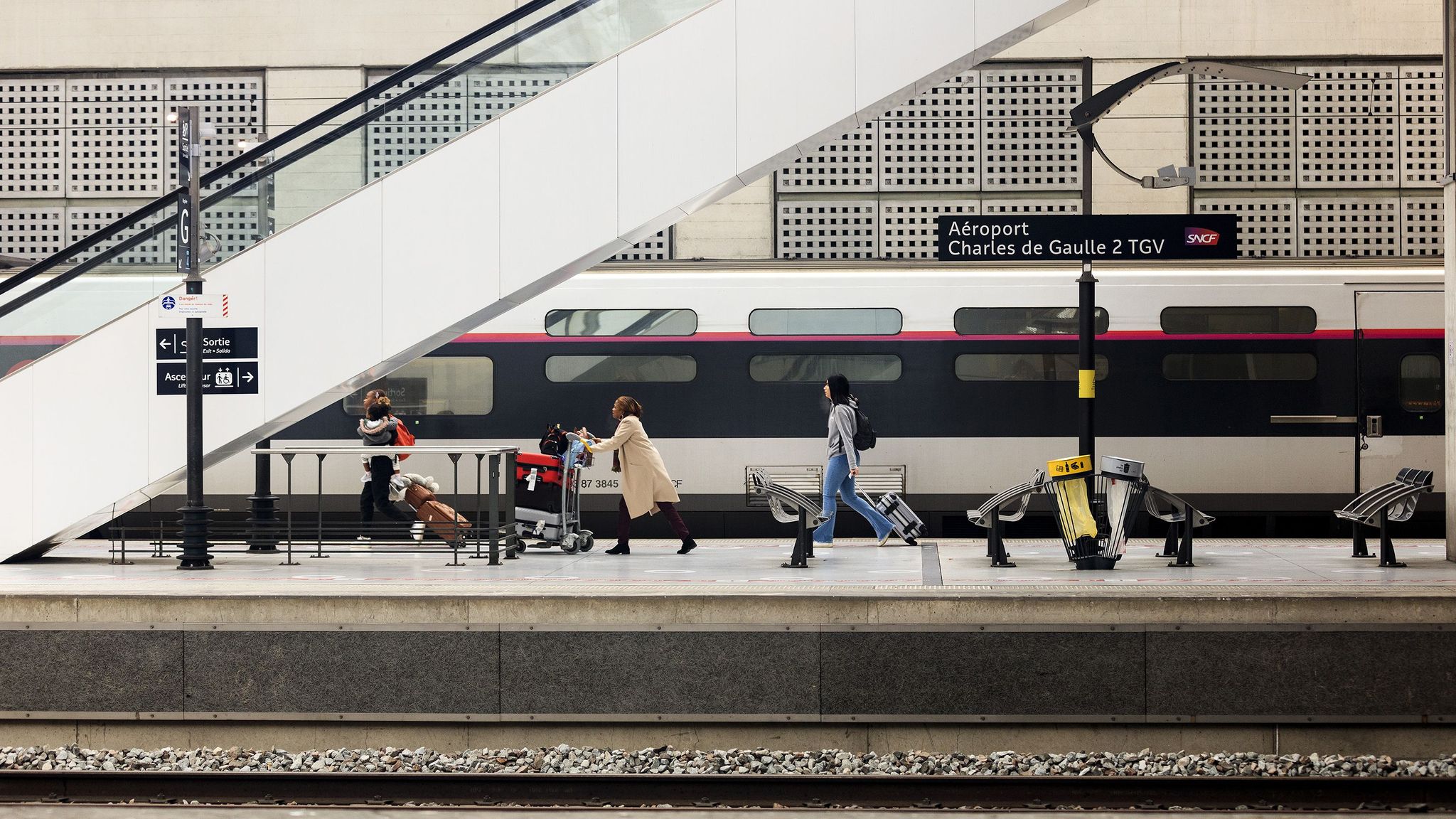
Paris Charles de Gaulle Airport, TGV Station
Individual arrival in Paris. Free time to explore the city or rest before the programme begins the following morning.
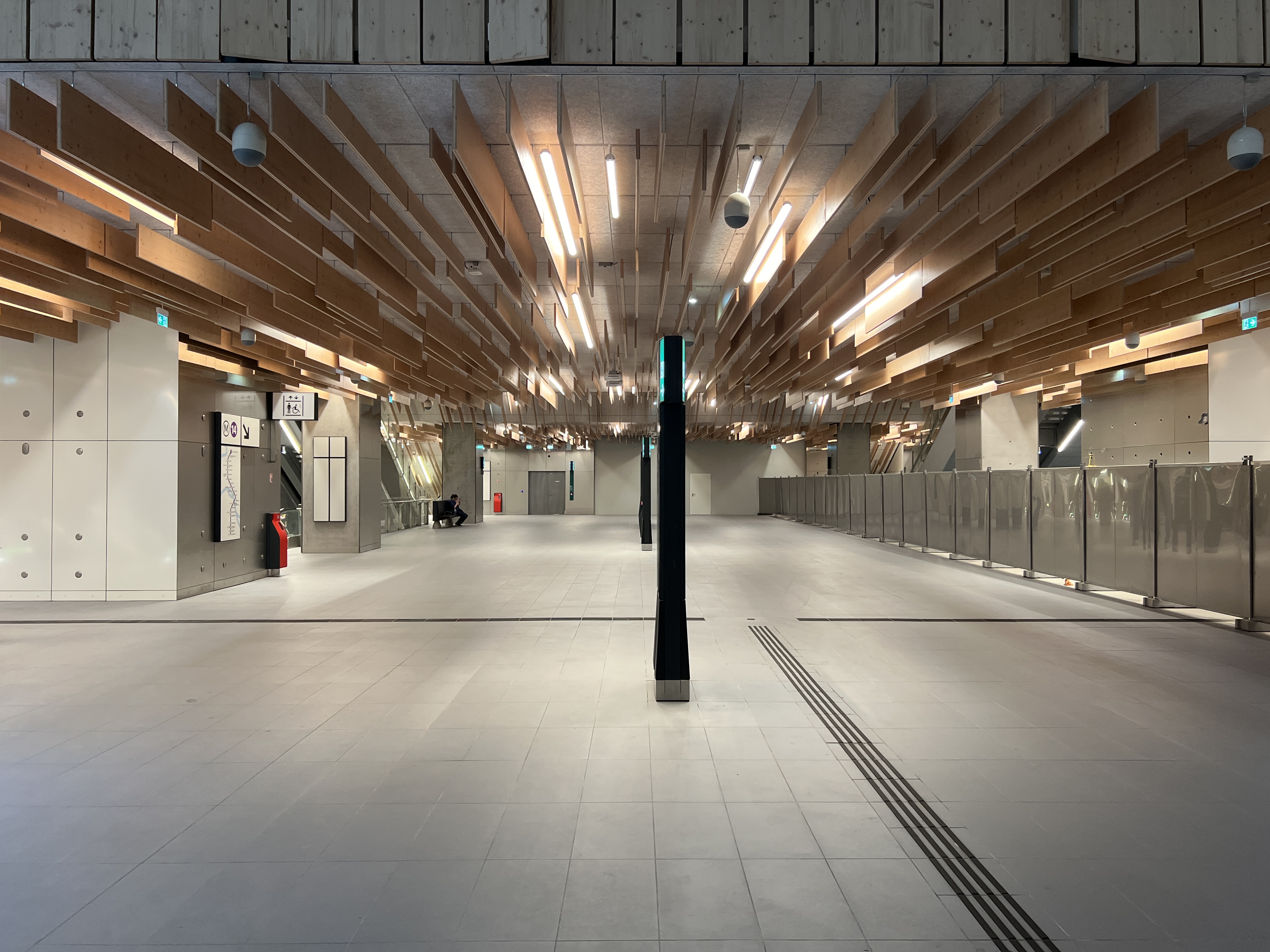
Paris, Station Saint-Denis Pleyel, Grand Paris Express
Group kick-off in the morning, then site visits across three angles: multimodal hubs, urban planning, and operations. Presentation by Société des Grands Projets (SGP), the agency overseeing Grand Paris Express; visits to new metro lines 14 and 16. Evening masterclass and welcome dinner.
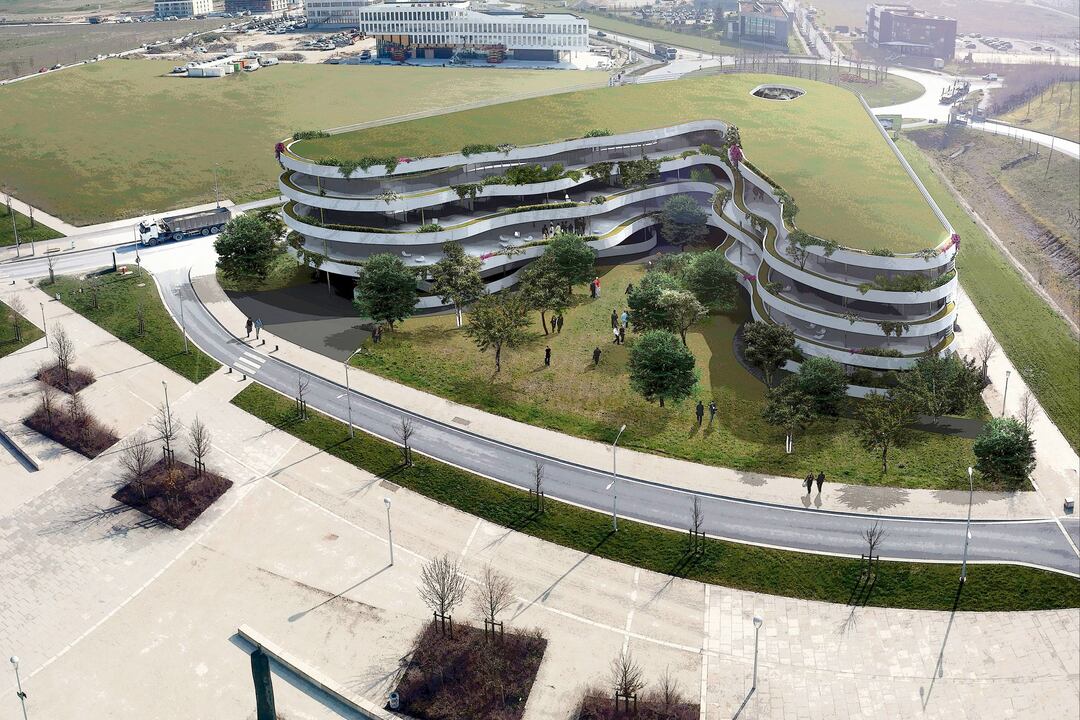
Reims, TGV station and development of a mid-sized city
The Gare Champagne-Ardenne TGV at Bezannes, originally built in open fields, now the anchor of a new district. Real-condition test of the connection to the city centre. Meeting with the Reims urban community; TER Fluo departure to Metz in the evening.
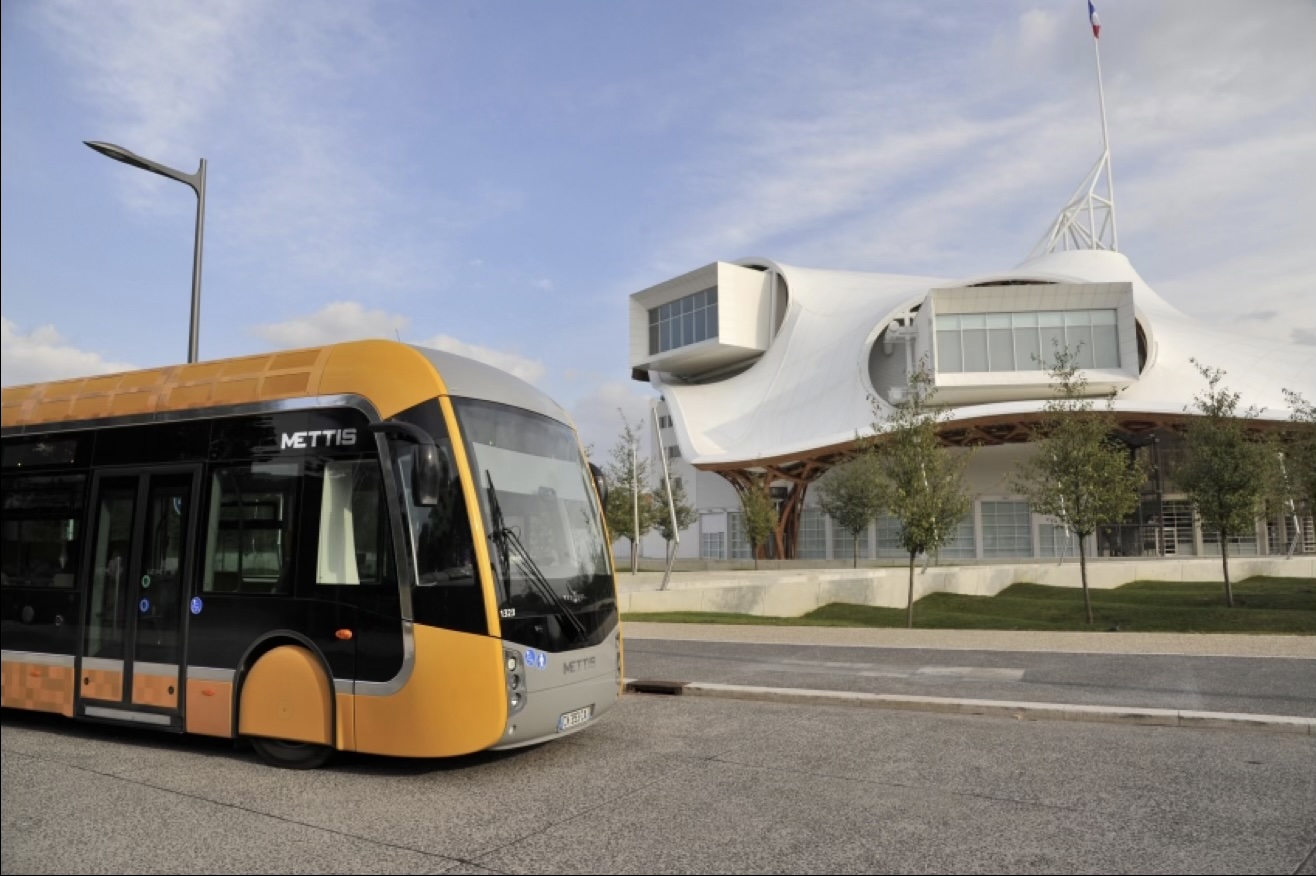
Metz, Le Mettis BRT
Le Mettis with Keolis Metz, an operational immersion into a BRT system that has reshaped mobility in Metz. Visit to the new district around the station with Centre Pompidou-Metz. Midday TGV departure to Karlsruhe; lunch on board.
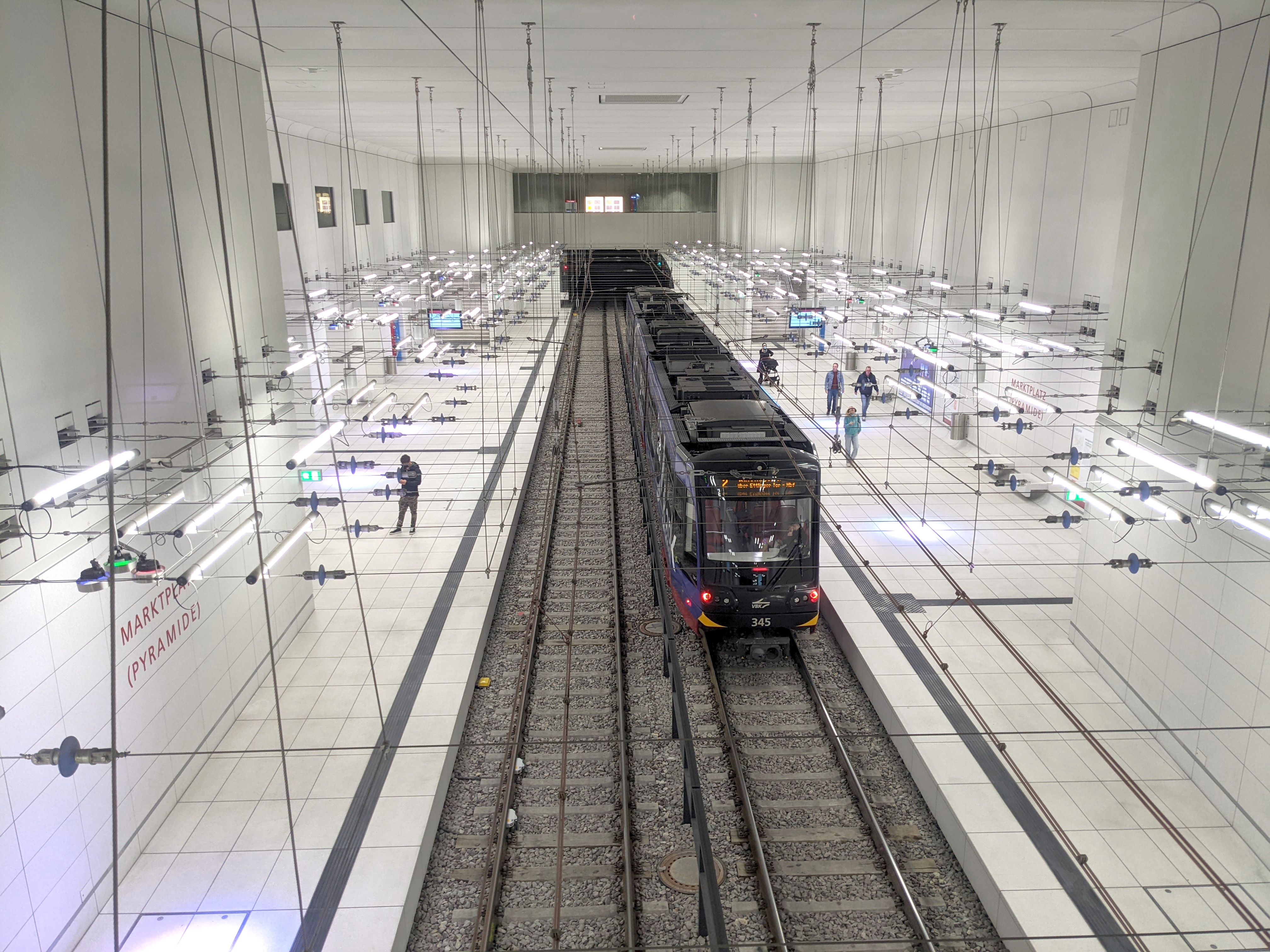
Karlsruhe, U-Bahnhof Marktplatz, KVV network
The Karlsruhe KVV model is unique in Europe: urban trams running underground through the city centre like a metro, then continuing directly onto intercity rail tracks, coexisting with ICE services. A real-world demonstration of genuine interoperability.
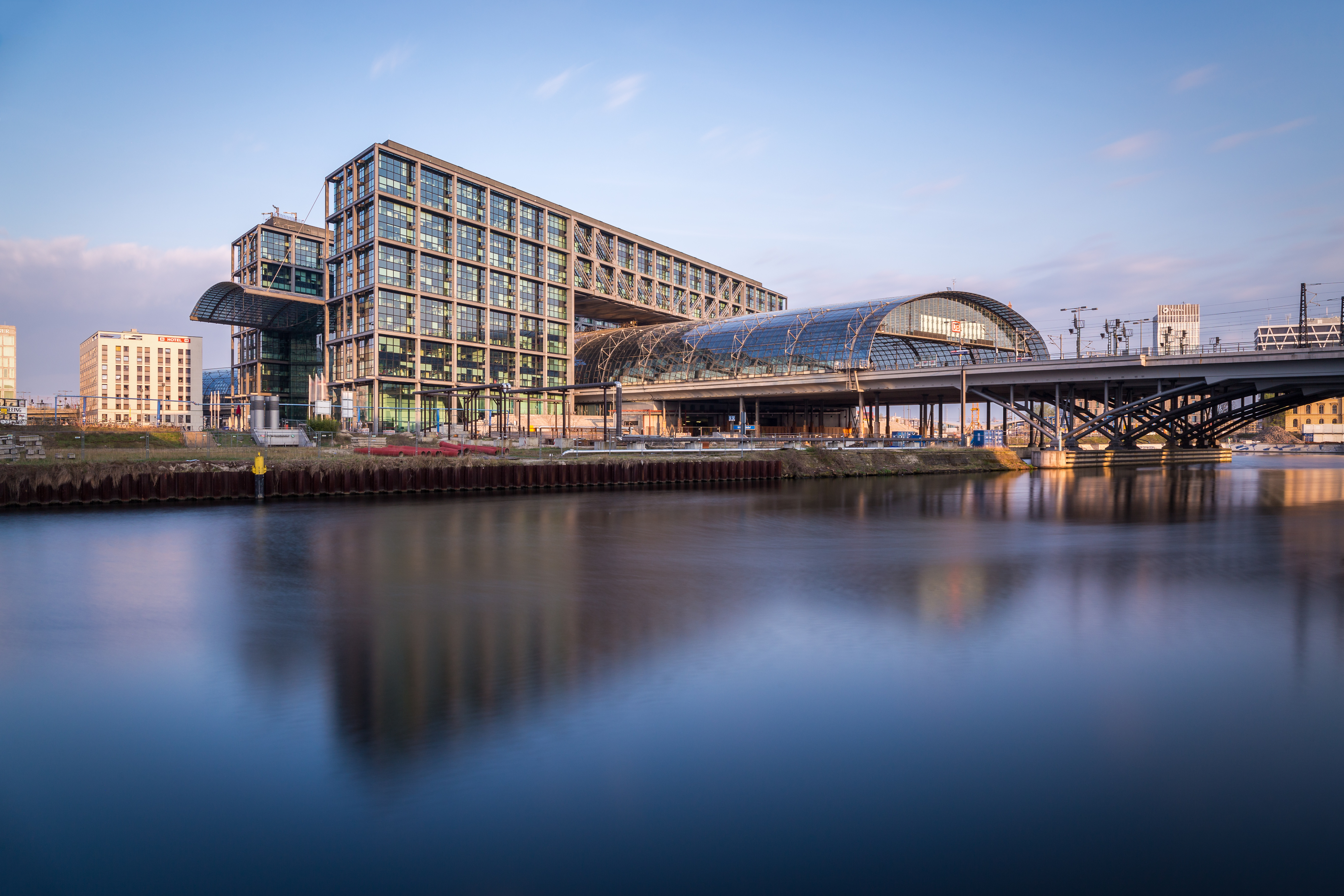
Berlin, Hauptbahnhof
Early morning ICE from Karlsruhe. Arrival at Berlin Hbf in early afternoon. S-Bahn to InnoTrans, the world's leading rail and mobility trade show. Networking evening and closing dinner.
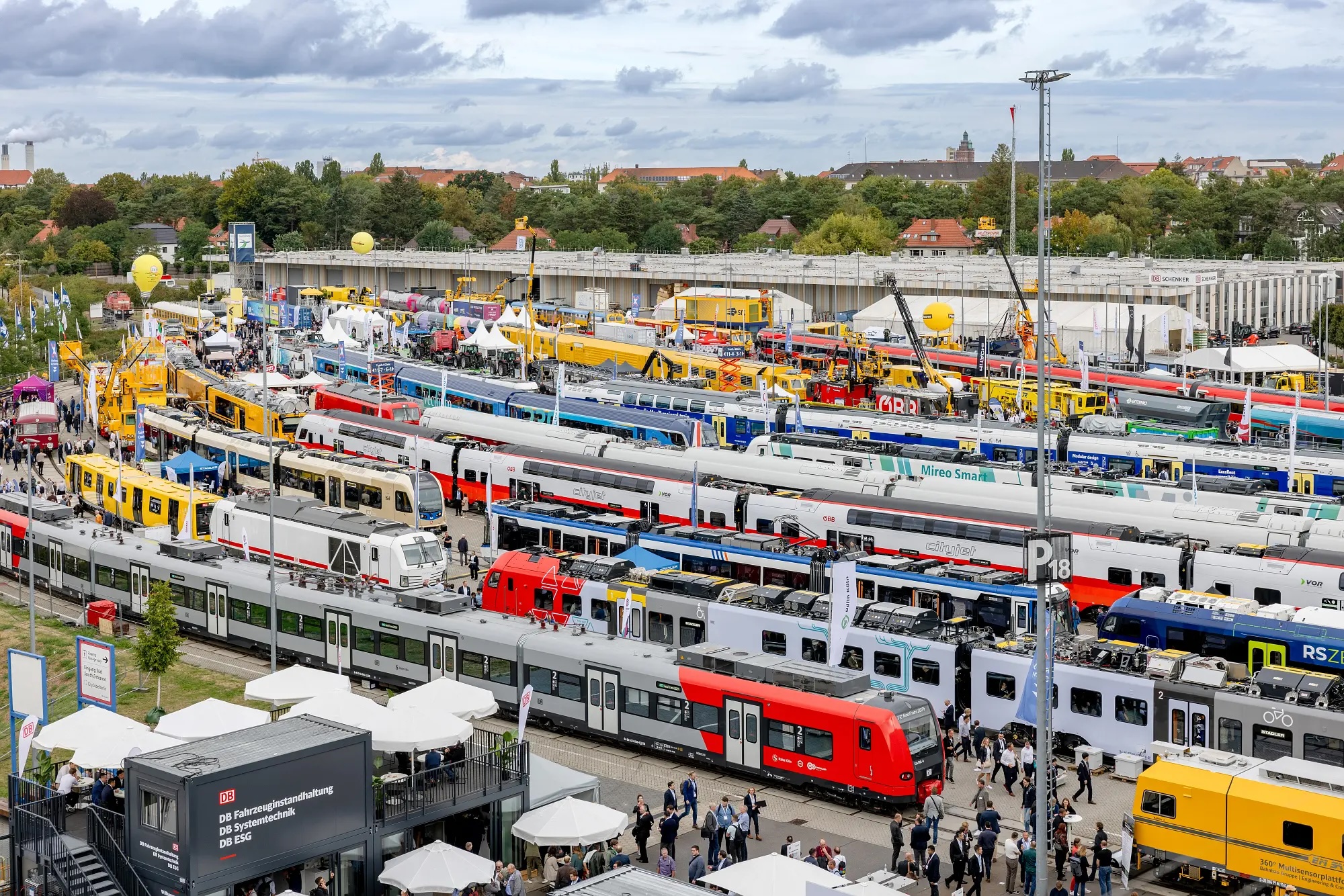
Berlin, InnoTrans, Messegelände
Focus on themes directly relevant to Canada: passenger experience, winter operations, and infrastructure in cold-weather conditions. Collective debrief in the afternoon and production of the synthesis document.
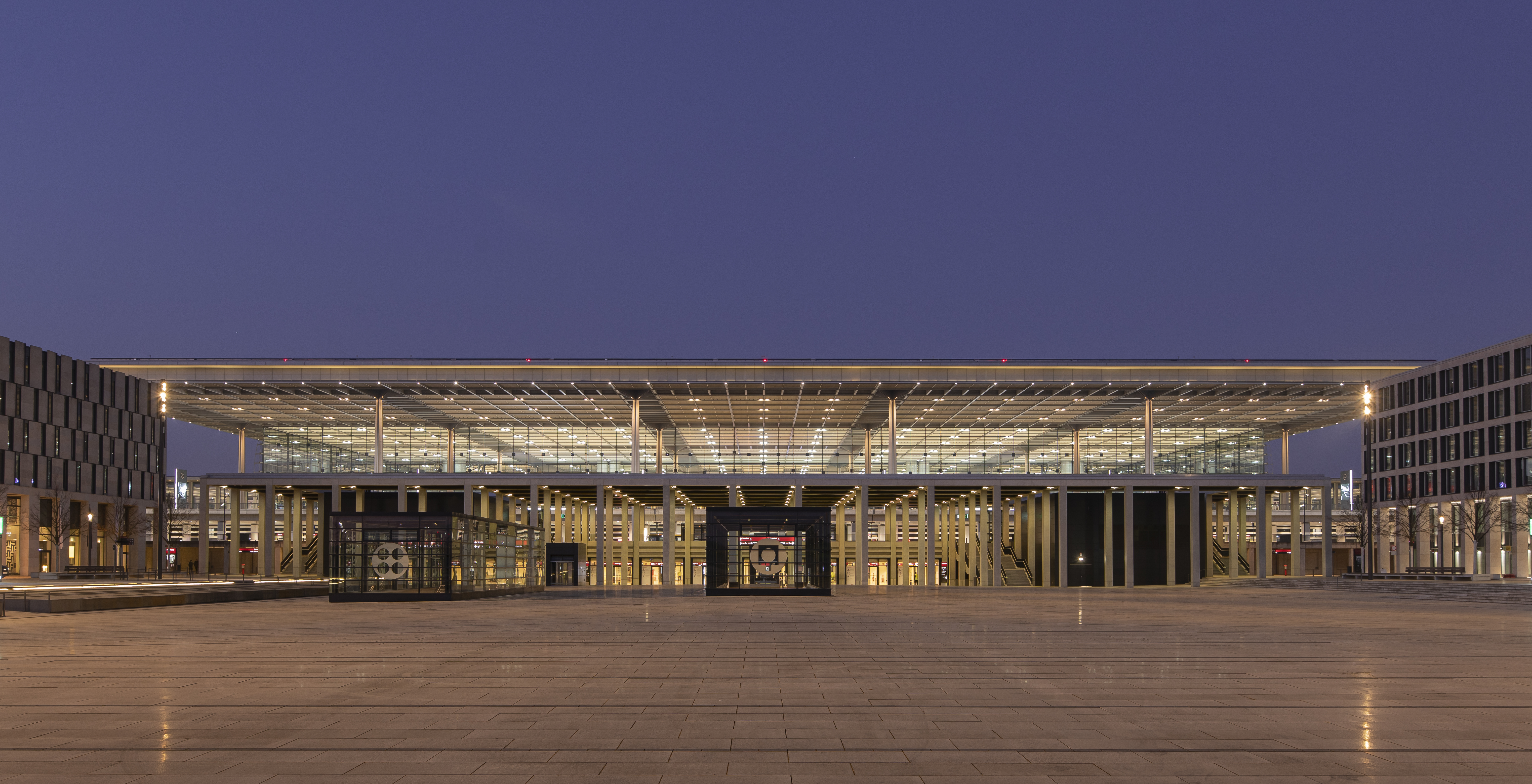
Berlin Brandenburg Airport, retour individuel
Free time to explore Berlin before departure. Time to consolidate the week's learning. A collective debrief call for the field report is scheduled within 15 days of return.
Urban planner, former SNCF director, specialist in operations ands services.
Field guide
Innovation project lead at the SNCF Grand Est mobility lab.
Field guide
Experience Strategy Lead and Senior Manager at Capgemini, co-founder of OMdT.
Field guideLearnEx brings together a diversity of professional profiles: elected officials, executives, and organisational leaders. The enrichment comes as much from peers as from the field itself.
Each visit and each encounter will be followed by a structured collective debrief: verbatims, analyses, photographs, and shared synthesis.
La LearnEx produira un document de partage à l'issue de la semaine, pour diffuser, dans votre sphere, ce que le voyage has brought you et inspirer vos colleagues.
Reserve your place before July 13
Limited to 20 participants. Submit your interest and we will contact you to confirm your registration.
No financial commitment at this stage. This form allows us to validate your profile and contact you with payment details.